You finish a 45-minute spin class drenched and slightly humbled. Three days later you run a 45-minute bodyweight circuit in your living room, finish with energy to spare, and wonder whether it really counted. Sweat and soreness are poor judges of effort. A warm room, a loud instructor and a competitive neighbour can make a modest session feel heroic, while a quiet garage workout can be far harder than it looks. Heart rate zones ignore all of that and measure the one thing both settings share: how hard your cardiovascular system actually worked.
Heart rate zones divide your effort into bands based on a percentage of your maximum heart rate. The exact boundaries vary between systems, but the general shape is consistent.
The commonly quoted "220 minus your age" formula is a rough starting point, not a personal fact. Two people the same age can have maximum heart rates ten beats apart. If you want tighter numbers, a supervised field test or a lab test gives you better ones. The talk test is a free approximation: if you can hold a full conversation, you are probably in Zone 2, and if you can only manage a word or two, you are up in Zone 4.
If you are new to hard training, are returning after a long break, or have a heart condition, get medical clearance before you start chasing high zones. That is not caution for its own sake; it is how you avoid finding out the hard way.
Gym classes deliver intensity whether you plan for it or not. The instructor counts down, the music builds, the person beside you keeps going, and suddenly you have spent eighteen minutes in Zone 3 and 4 without deciding to. That is the quiet advantage of a room full of people doing the same thing.
Home workouts tend to drift the other way. Without anyone pacing you, a circuit becomes ten reps, a long pause, a glance at your phone, another set. The effort is real, but it sits mostly in Zone 1 and 2 with occasional spikes. The session feels productive because you did something, yet the cardiovascular stimulus is closer to a brisk walk than to a class.
That is not a verdict on home training. It is a description of what happens when structure is missing. Add structure and the picture changes fast.
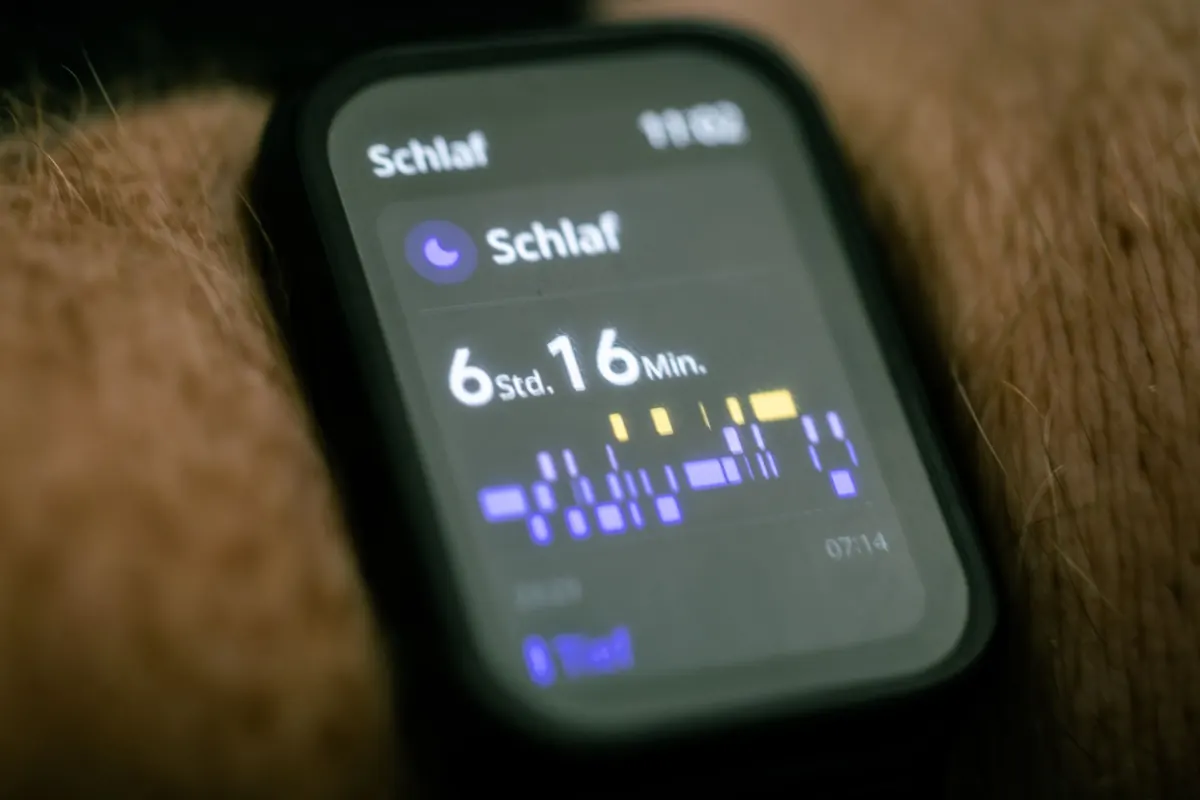
Comparing a gym session tracked with a chest strap to a home session tracked with a wrist watch is not a comparison. It is two different measurements. Keep these points consistent:
Two patterns are common. Either the class is consistently harder in Zones 3 and 4 while home work sits in Zone 2, or the reverse: a solo home session is brutally hard because you never stop moving, while a crowded class involves a lot of standing around between sets.
Home training wins on friction. No commute, no class timetable, no waiting for equipment. If that convenience means you train four times a week instead of twice, your weekly minutes in Zone 2 and above will usually beat the gym. Home also lets you control rest periods precisely, which matters for interval work.
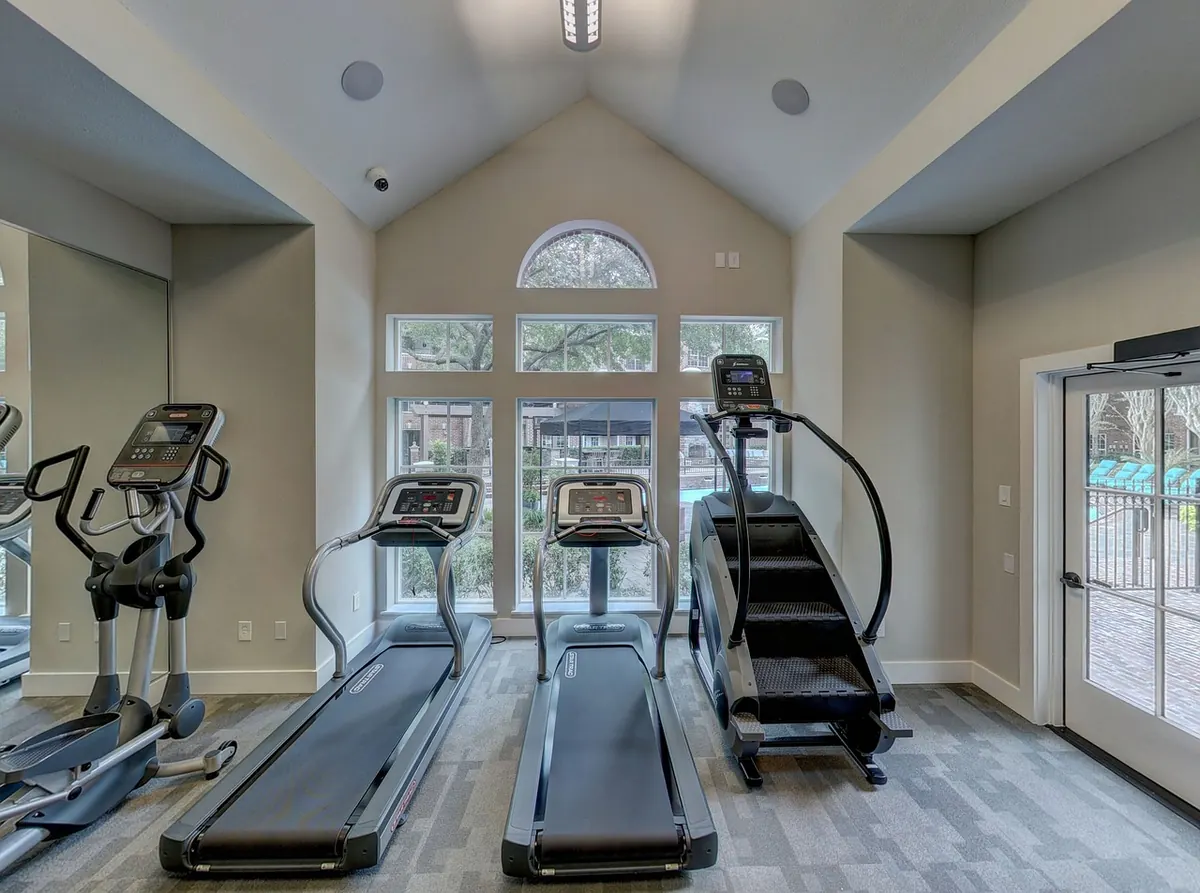
The gym wins on external pacing and range. Heavier weights, a rower, an incline treadmill and an instructor counting reps all make it easier to reach Zone 4 and 5 safely and repeatedly. Maximum-effort intervals are also safer with someone nearby and equipment designed for them.
The honest answer is that neither setting is inherently better. Effort is a behaviour, not an address.
Stop asking which location is superior and start asking what your zone data says about your last two weeks. If most of your minutes sit in Zone 1, add structure: a timer, a fixed circuit, a target of ten hard minutes. If you are living in Zone 4 five days a week, add easy Zone 2 work and let your body recover.
Keep one number in mind as your benchmark: total weekly minutes in Zone 2 and above. Where those minutes happen matters far less than whether they happen at all. Track honestly for a month, adjust once, and let the data settle the argument. And if you have any heart or blood pressure concerns, run your plan past a doctor before you start.
Photo: lewisgoodphotos / Pixabay