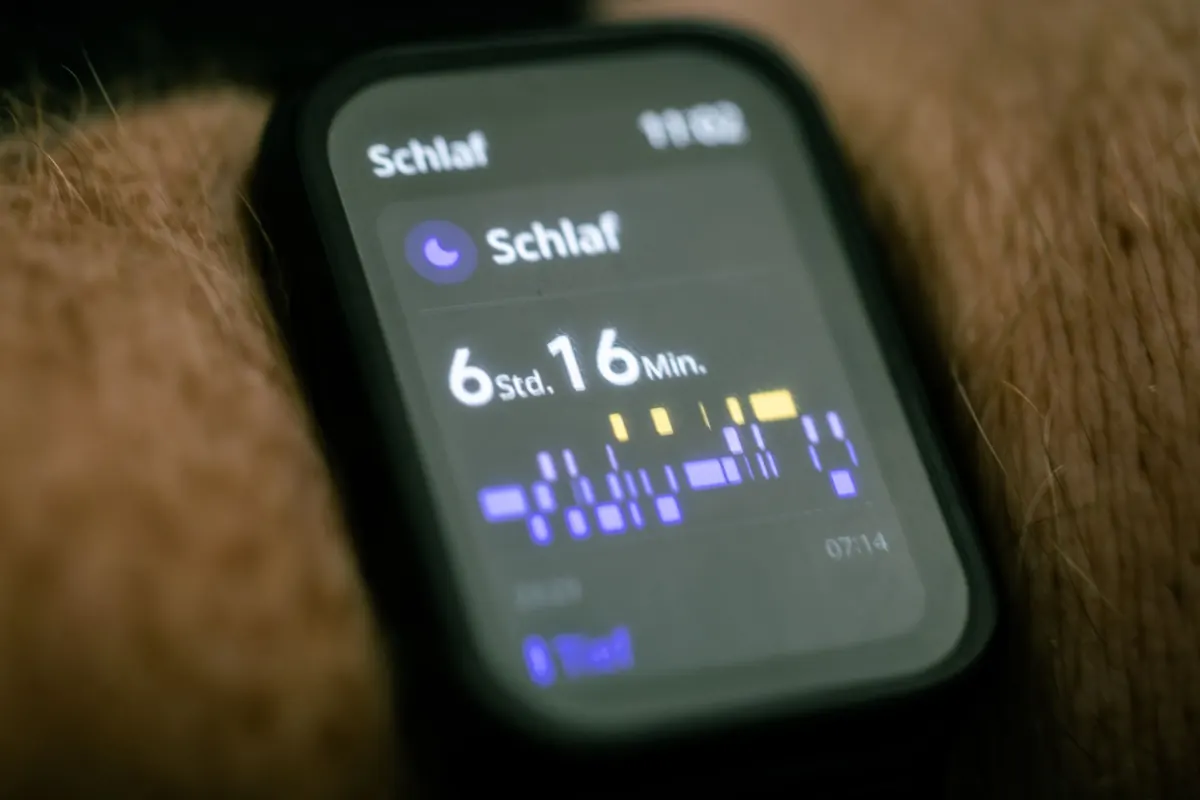
Your morning resting heart rate is usually the most boring number on your wrist. Same bedtime, same coffee, same 54 beats per minute — and then late March arrives and it quietly climbs to 61. Your watch asks whether you're stressed. You're not stressed. You're breathing pollen.
Spring is a cardiovascular event for anyone with seasonal allergies, and the reason has less to do with your heart than with your sinuses, your medicine cabinet, and how much water you forgot to drink this week. If your tracker has been nagging you since the first warm day, here's what's actually happening.
When your immune system decides that birch pollen is a threat, it releases histamine and a handful of other inflammatory mediators. Histamine widens blood vessels and makes them leakier. Blood pressure can dip slightly as a result, and your heart compensates by beating faster to keep circulation steady. That alone can add a few beats per minute to your resting rate.
Then come the secondary effects. A blocked nose means mouth breathing, which is less efficient and more effortful. A five-minute sneezing fit is a small cardio session. Sinus pressure brings headache and jaw tension, which nudges your sympathetic nervous system into a low-grade fight-or-flight state. Your body isn't in danger, but it behaves as though it's mildly under siege — and your pulse reflects that.
This is the part people miss, and it's often the biggest single factor. Oral decongestants — the ones built around pseudoephedrine or phenylephrine — work by narrowing blood vessels. That's excellent for a stuffed nose and less excellent for your heart rate and blood pressure. Many "all-in-one" allergy tablets combine a decongestant with an antihistamine, so you get the sedation of one ingredient and the stimulation of the other, and your resting heart rate drifts upward without an obvious cause.
Some nasal decongestant sprays have a similar effect if they're overused. Certain asthma and allergy inhalers can also raise heart rate as a known side effect. None of this means you should stop taking what works for you — it means the pulse change is worth mentioning.
If you take medication for blood pressure, a heart rhythm condition, or a thyroid condition, ask a pharmacist or clinician before adding a decongestant to the mix.
Antihistamines dry you out. So does mouth breathing, so does a windy afternoon on a bike, and so does the first genuinely warm week of the year, when you're still dressed for March. Less water in your body means lower blood volume, which means your heart has to work harder to move the same amount of blood. A resting rate that jumps after a long walk outdoors is often a hydration signal, not an allergy one.
Watch for the basics: darker urine, headaches in the afternoon, a sudden craving for salt, and a heart rate that stays elevated an hour after you've cooled down. Sinus infections and low-grade fevers do the same thing, and they're common when congestion lingers for weeks.
Congestion is worst at night, because lying flat makes it easier for fluid and pressure to pool in your sinuses. Fragmented sleep raises resting heart rate the next morning and lowers heart rate variability, which is exactly the pattern your wearable flags as "unusual." Add a glass of wine in the evening — alcohol is a vasodilator, worsens congestion, and tends to push overnight heart rate up — and you have a perfect recipe for a springtime baseline that looks nothing like your winter one.
Wrist-based optical sensors estimate heart rate by shining light through your skin, which makes them sensitive to motion, cold hands, a loose strap, and poor contact. A single spike means very little. A trend means a lot.
Most of the fix is boring and effective. Check the pollen forecast before you plan a long outdoor session, and shift hard workouts to days when counts are low or it has just rained — rain washes pollen out of the air, while dry, breezy mornings tend to be the worst. Shower and change clothes when you come inside, and wash pillowcases weekly so you're not sleeping in what you collected on your hair.
A springtime rise of a few beats per minute is usually harmless and temporary. But if your resting heart rate stays elevated by ten or more beats for several days, or you notice chest pain, palpitations, shortness of breath, dizziness, fainting, or fever, get medical attention rather than waiting for the pollen to clear.
This is general information, not medical advice. If you have a heart condition, take prescription medication, or aren't sure whether your allergy treatment is affecting your pulse, talk to a clinician or pharmacist — they can look at your whole picture, which is more than any wrist sensor can do.
Photo: cenczi / Pixabay